
X-PRT 90 Troubleshooting Guide
If your X-PRT 90 isn't working as expected, this guide will help you identify the most common issues and what to do next.
1. Breech Block Stops to the Rear
If the gun stops with the breech block held to the rear, don't immediately treat this as a malfunction. This is an intentional feature of the X-PRT 90.
The X-PRT 90 is designed to hold the breech block to the rear when the system experiences power loss. This lets you know what is happening and, more importantly, allows you to recover without manually cycling the firearm.
Simply release the trigger and the breech block will return to battery. Pull the trigger again and you're ready to continue.
Stops rearward → release trigger → returns to battery = POWER LOSS
The important thing to remember is that the breech block locking to the rear isn't the problem. It is a feature that identifies a power loss condition and allows you to immediately reset it.
Common Causes of Power Loss:
Power loss doesn't necessarily mean anything is broken. The firearm has a limited amount of energy available to operate the system, and anything that adds resistance uses some of that available energy.
Power loss is often cumulative. Several small sources of resistance can stack together and create the condition. The two most important areas to check first are trigger pressure and chamber condition.
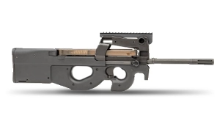
Your PS90 may have enough energy to overcome some power drain and cycle normally in semi automatic operation. However, forced reset combined with other sources of power drain can create enough resistance to prevent reliable cycling.
- Trigger Pressure
The harder you squeeze the trigger, the harder the X-PRT 90 has to work to push your finger forward during reset. Excessive trigger pressure adds resistance to the system and is one of the most common causes of power loss.
You need enough pressure to consistently reach the second trigger break, but not so much that you're fighting the forced reset. Allow the trigger to push your finger forward rather than trying to hold it back.
- Chamber Condition
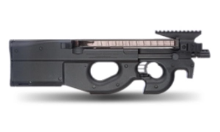
Chamber condition is another major source of power loss and has been a consideration with the P90 and PS90 platform going back to its early days.
The straight wall design of the 5.7x28 cartridge makes chamber condition especially important. Fouling and surface imperfections can substantially increase resistance during extraction, using more of the energy available to cycle the gun.
Your PS90 may still cycle normally in semi automatic with this added resistance, but when combined with forced reset and trigger pressure, it may be enough to prevent reliable cycling. When diagnosing power loss, chamber condition should be one of the first things checked.
- Lubrication and Friction
Friction between moving components also uses available energy. Proper lubrication helps reduce unnecessary resistance.
Pay particular attention to the contact area where the hammer rides against the breech block. Maintain a thin film of grease on this contact surface to help minimize unnecessary friction.
- Ammunition
Ammunition can also affect how much energy is available to operate the system. For troubleshooting, we recommend using SS197SR 5.7x28 ammunition as your baseline.
Using SS197SR provides a known and consistent starting point and removes another variable from the diagnostic process.
- Aftermarket Components
Aftermarket magazines, springs, triggers, fire control components and other modifications can introduce additional variables or change the forces and resistance within the system.
For troubleshooting, we recommend returning the firearm as close to its factory PS90 configuration as possible. This removes variables and makes it easier to identify the actual source of the problem.
2. Gun Stops, but the Breech Block Is in Battery
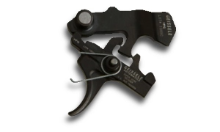
The X-PRT 90 has two distinct trigger breaks, and the second break requires noticeably more pressure than the first.
If the gun stops with the breech block fully in battery, continue pulling the trigger from the halfway position.
Stops in battery → continue pulling from halfway → fires = MORE TRIGGER PRESSURE NEEDED
If it fires: the gun was ready to fire and you simply needed to continue through the second trigger break.
If it occasionally doesn't fire: this generally points to trigger technique. The trigger pull or reset wasn't completed correctly during the previous cycle.
If it consistently doesn't fire from the halfway position: the firearm should be individually inspected.
Finding the Right Trigger Pressure
Start in F mode. Slowly pull the trigger to the halfway point, where the gun will fire at the first, semi automatic break. Pause there after the shot.
From the halfway position, gradually increase pressure until you reach the second break. This is the amount of trigger pressure required during operation.
The goal is enough pressure to consistently reach the second break while still allowing the trigger to push your finger forward during reset.
3. Breech Block Stays Rearward After Releasing the Trigger
If the breech block remains locked to the rear after you completely release the trigger, this is a different condition.
This can point to an installation issue, aftermarket components, or another issue that needs to be evaluated individually.
Stops rearward → release trigger → stays rearward = INDIVIDUAL INSPECTION NEEDED
Quick Reference
Stops in battery → pull through second break and fires: Trigger technique.
Stops in battery → consistently won't fire from halfway: Individual inspection.
Stops rearward → release → stays rearward: Individual inspection.